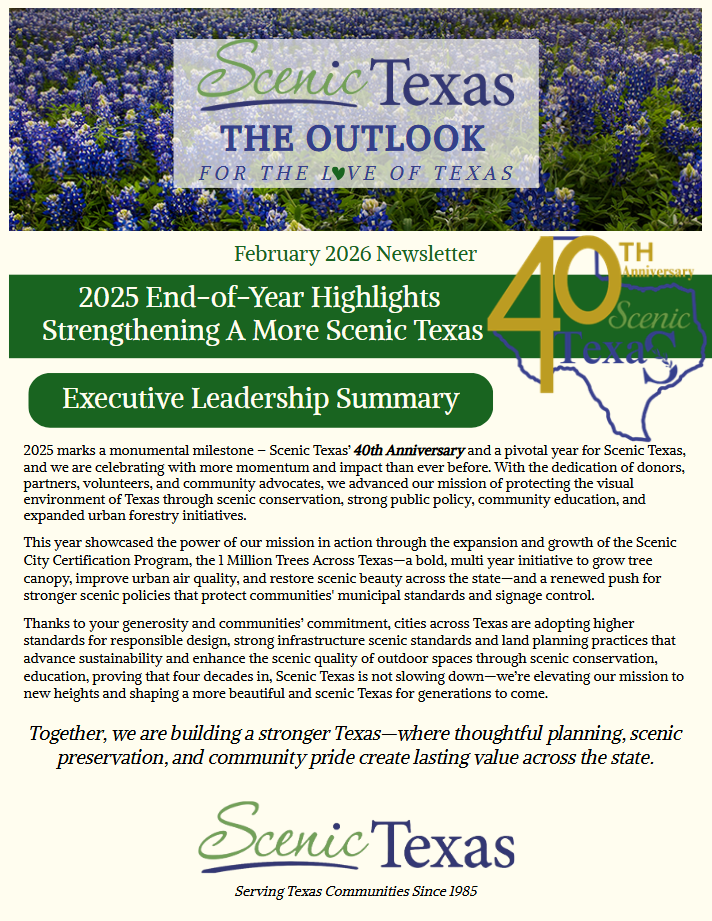
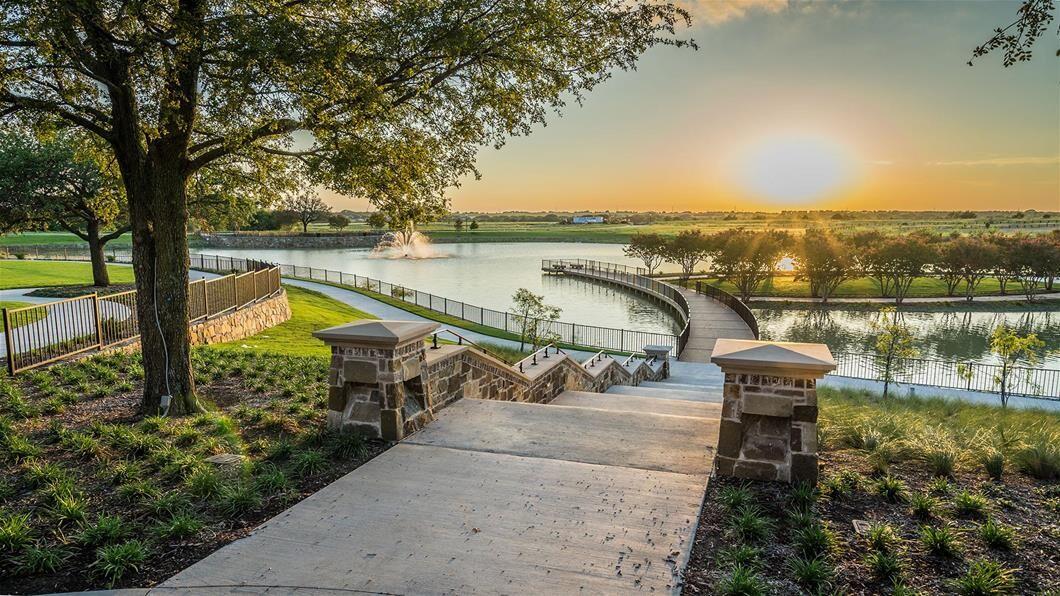
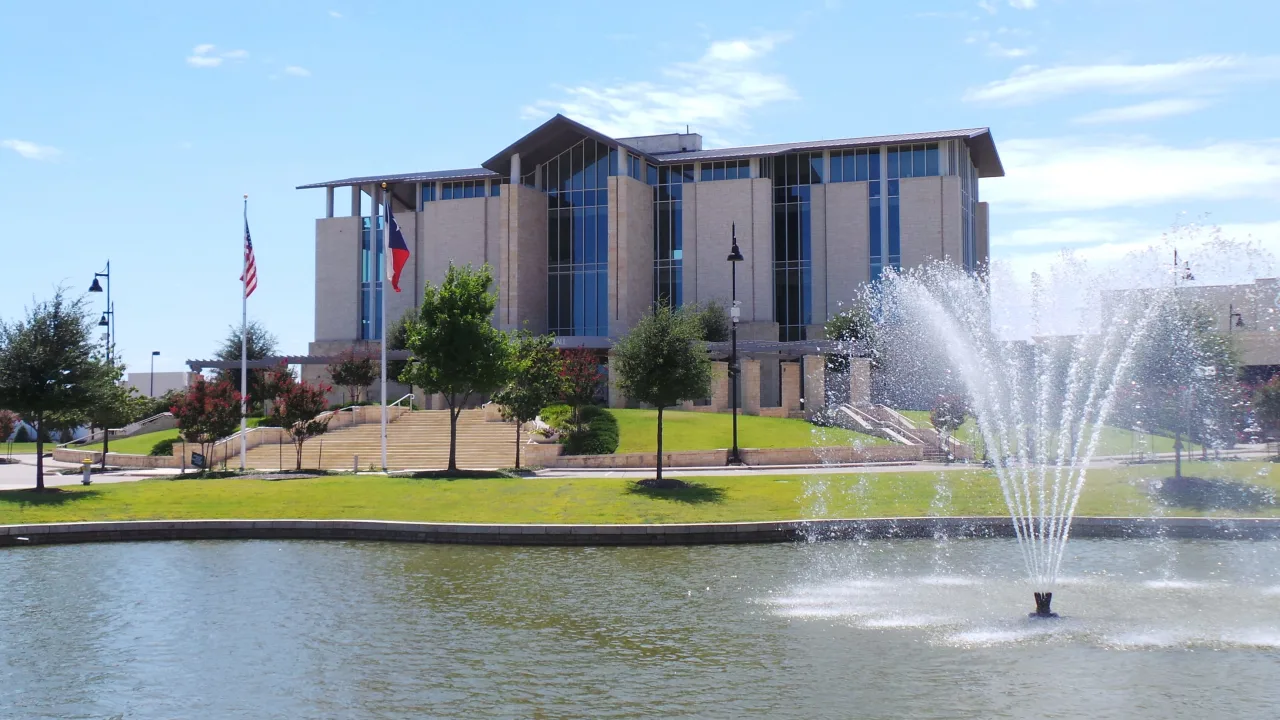
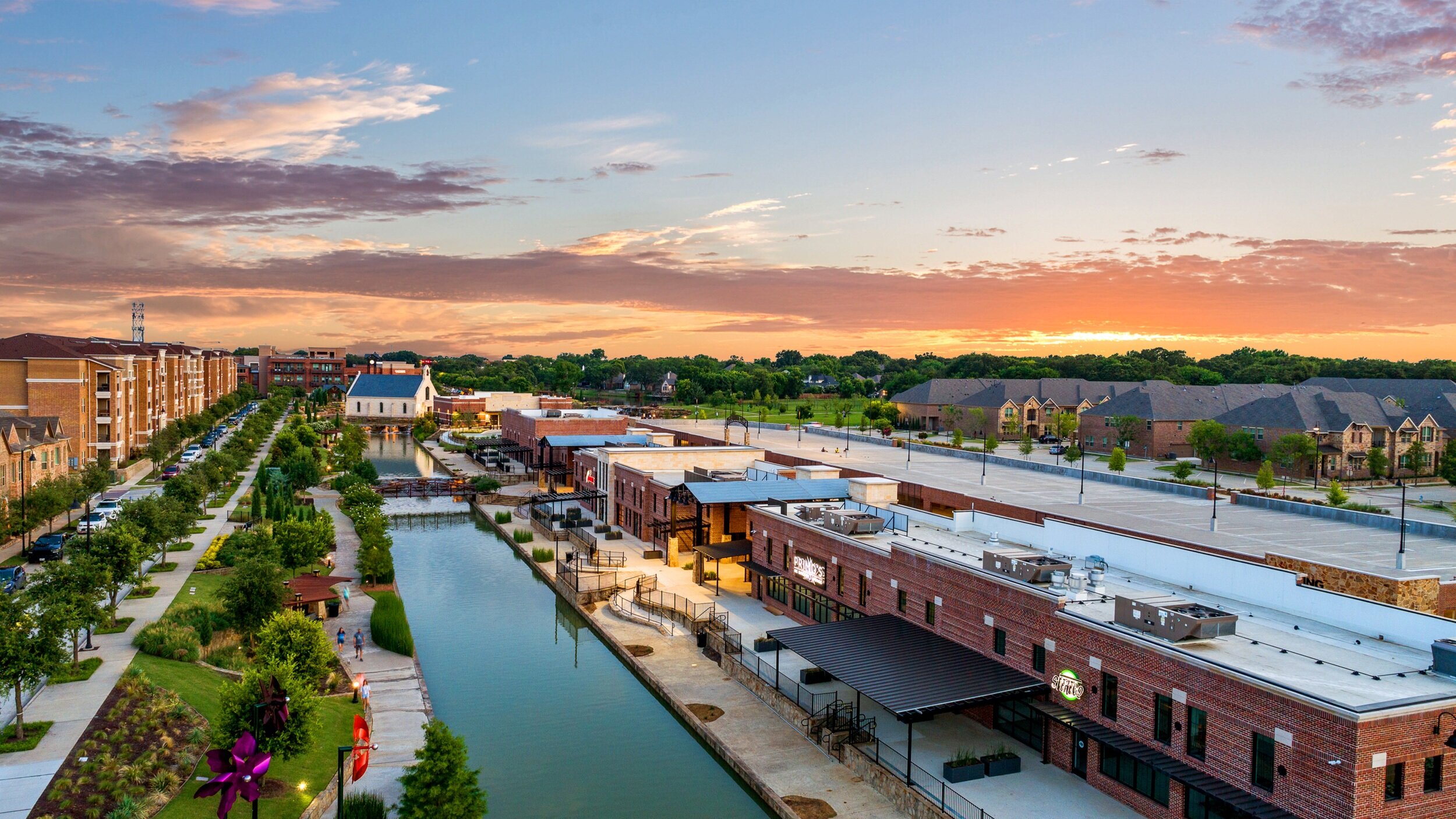
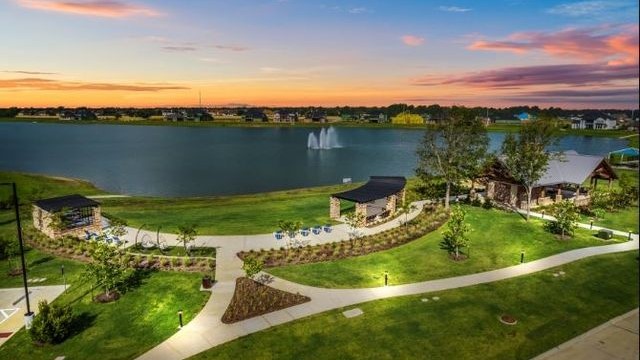
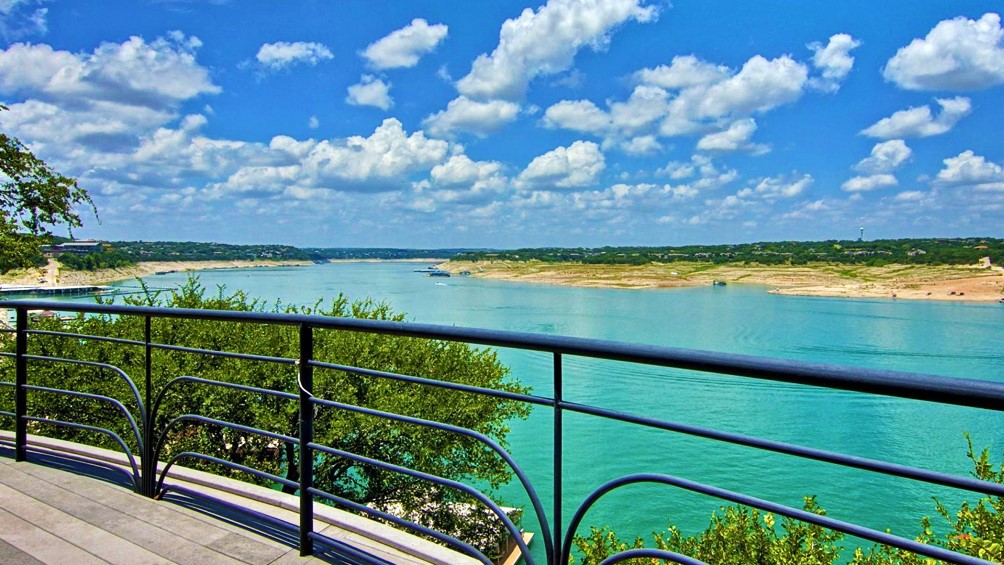
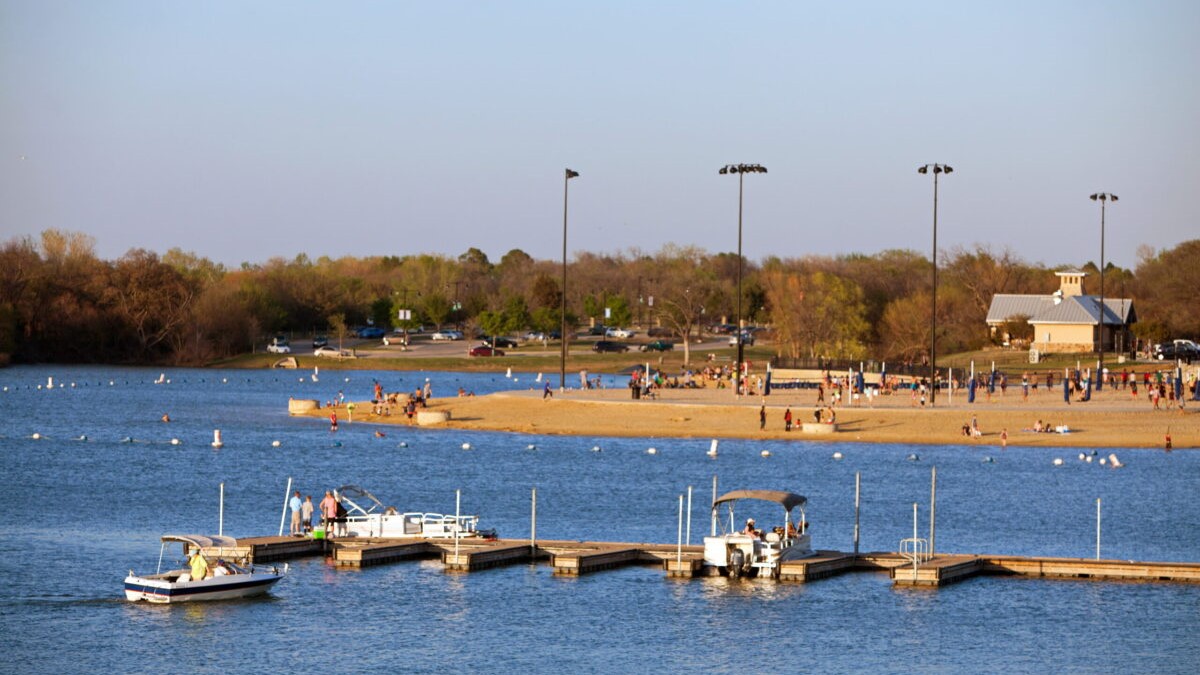
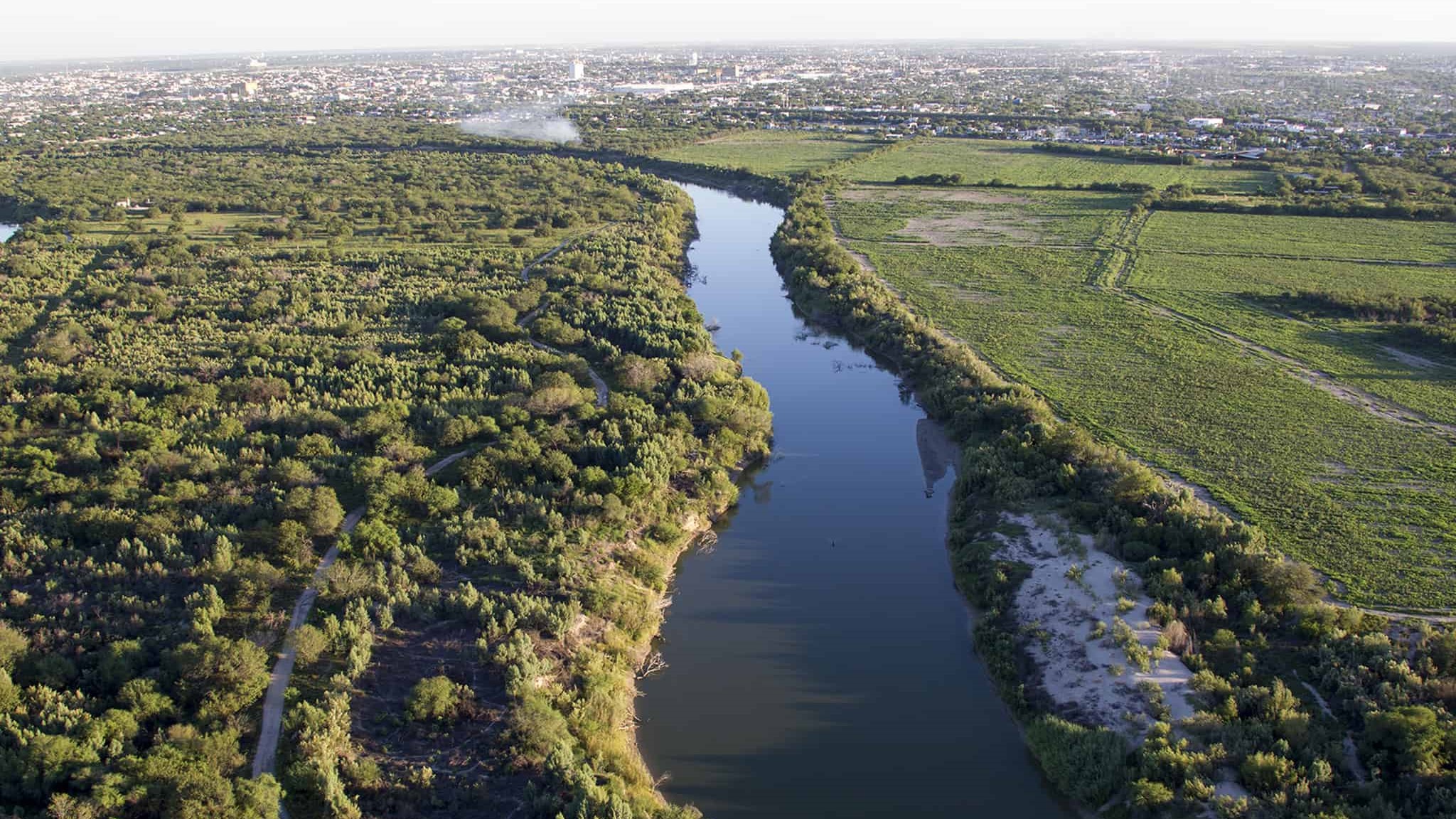
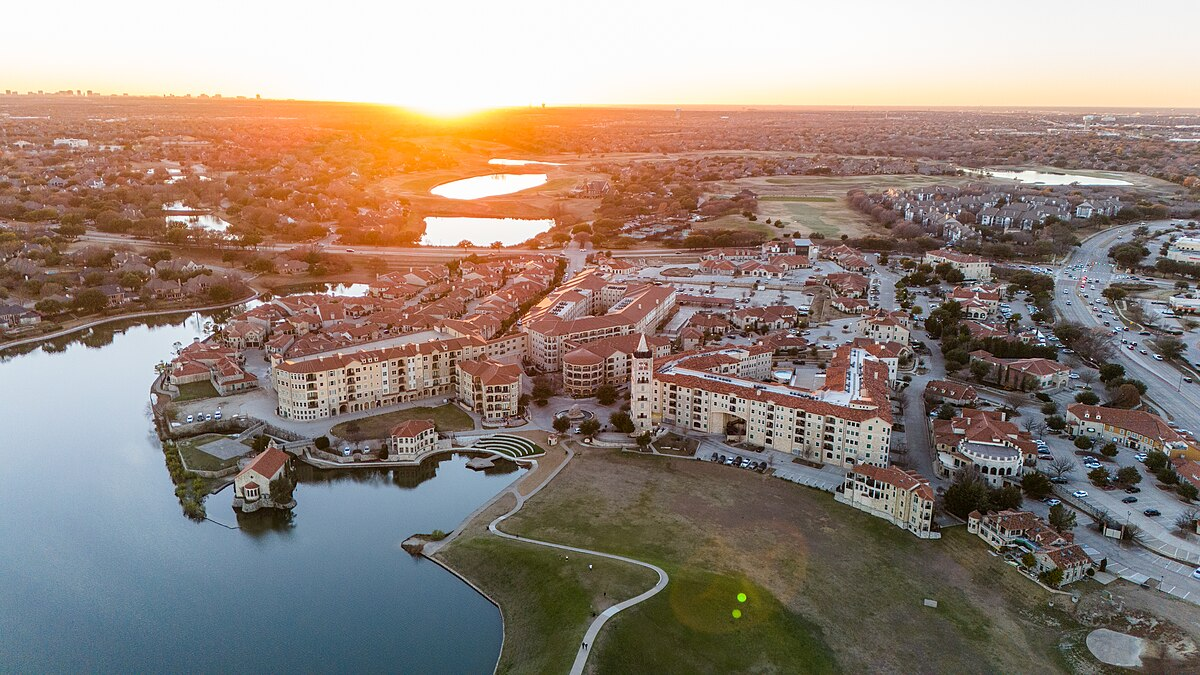
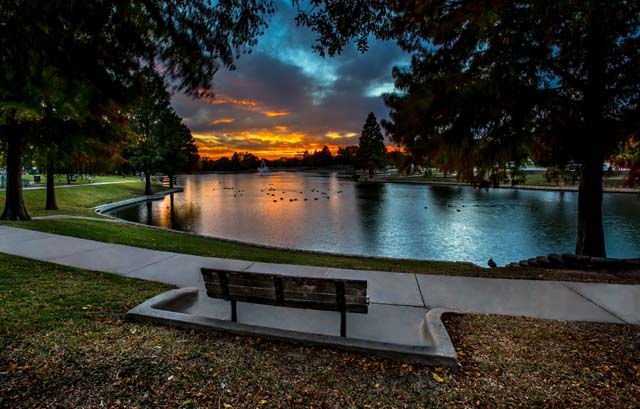
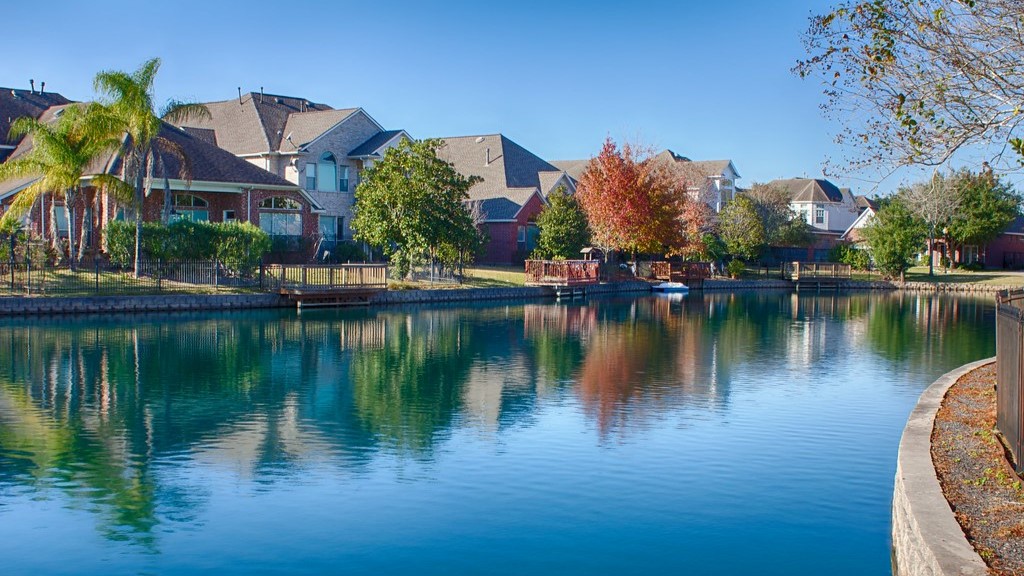
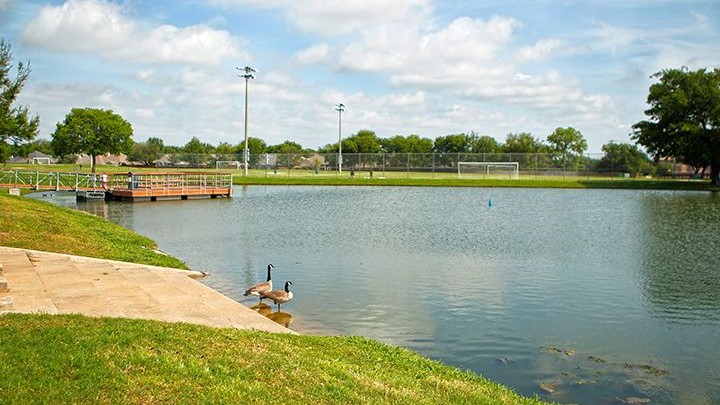
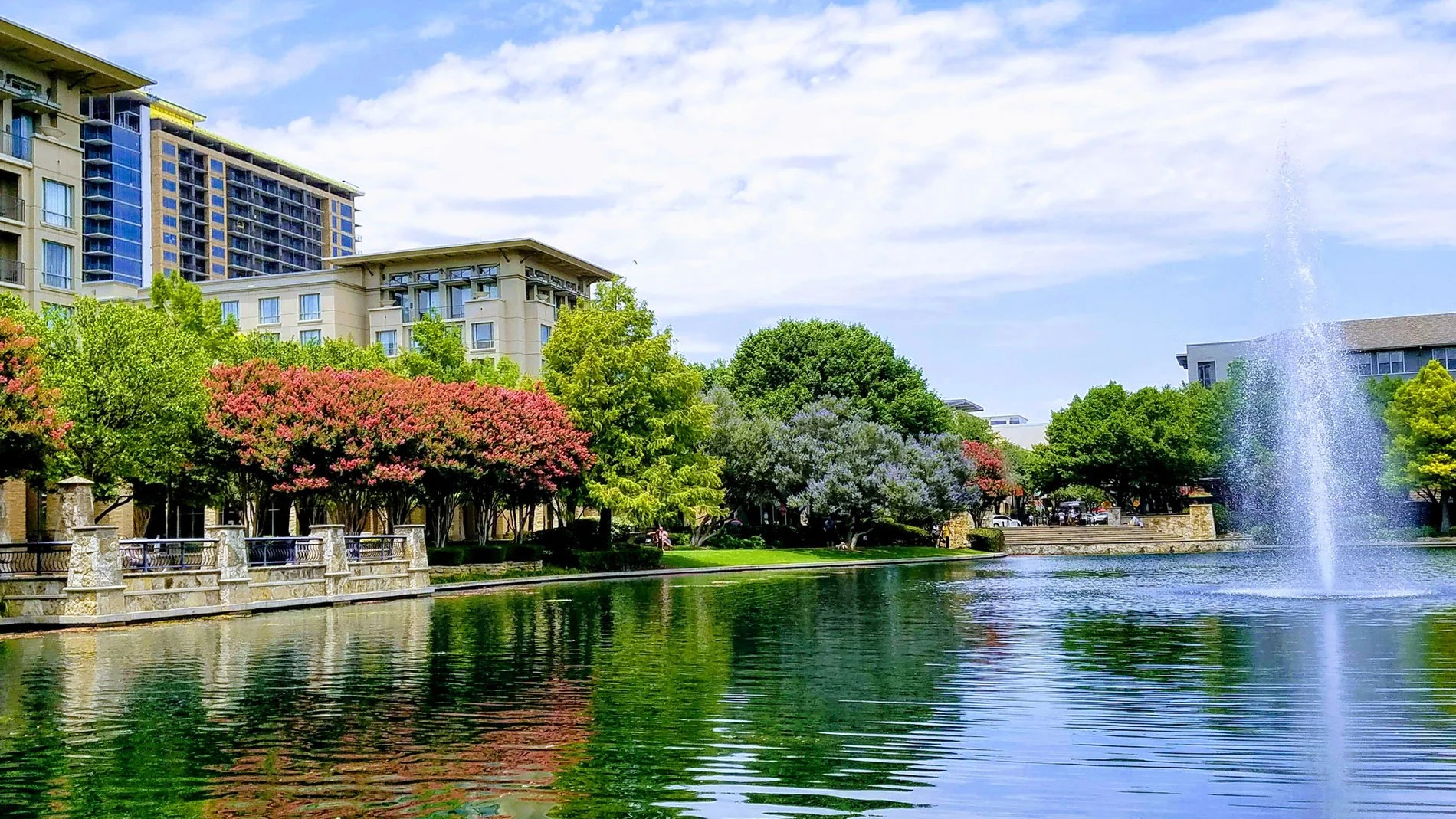
Scenic Texas, Inc., is the only statewide non-profit organization dedicated to the preservation and enhancement of our state's visual environment.
Newsletter
Our bi-annual newsletters serve as an essential resource for understanding the impact and progress of scenic conservation across Texas. Through thoughtful reporting and expert insight, each edition highlights the initiatives, partnerships, and policies shaping the visual character of our communities—from advancements in the Scenic City Certification Program to statewide efforts that promote sustainable design, environmental stewardship, and high-quality development.
These publications not only document meaningful achievements but also provide valuable guidance and inspiration for community leaders, stakeholders, and supporters committed to preserving Texas’s scenic heritage. As a trusted record of progress and a platform for shared knowledge, our newsletters play a vital role in advancing the standards and practices that protect the beauty of Texas for generations to come.